ADHD Rehabilitation Program for Children: A Multimodal Approach
Our support program for children with ADHD combines neuro-auditory stimulation, Giger MD® therapy, and functional medicine. This winning combination addresses motor skills, attention, impulsivity, and neuro-metabolic balance to strengthen the foundations of self-regulation (concentration, impulse control, coordination, and emotional management).

Does your child struggle to focus, constantly move around, or act without thinking? Do you see their daily efforts and frustration with school difficulties? You're not alone. In Switzerland, 5 to 7% of children are affected by ADHD (Attention Deficit Hyperactivity Disorder).
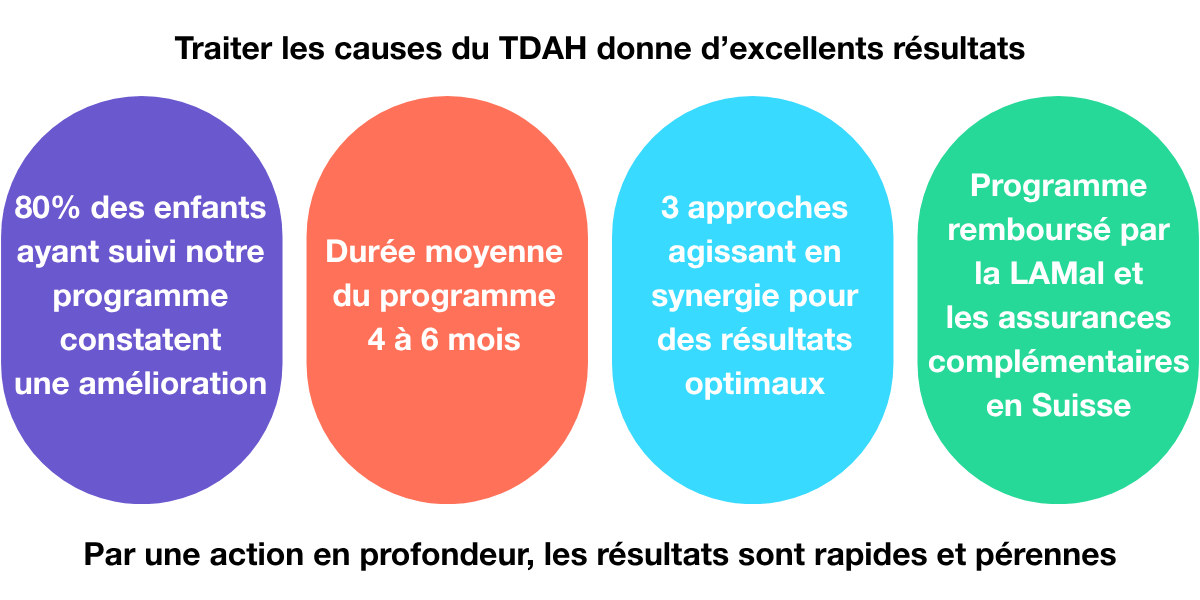
✓ Good news: Over 80% of our young patients experience lasting improvement in their symptoms through our science-based multidisciplinary program.
🎯 Free initial consultation Assess your child's needs with no obligation (30 min)
📞 Available Monday to Friday, 8:30 AM to 6:30 PM
Understanding ADHD: Attention, Hyperactivity, and Impulsivity
ADHD is a neurodevelopmental disorder that affects your child's ability to regulate attention, control movements, and manage impulsivity:
🎯 Inattention Difficulty maintaining focus. The child is easily distracted, forgets belongings, doesn't finish tasks, makes careless mistakes, and struggles to follow instructions.
⚡ Hyperactivity Constant need to move. The child can't stay still, fidgets constantly in their seat, runs around excessively, struggles to play quietly, and talks too much.
🚀 Impulsivity Difficulty controlling reactions. The child acts without thinking, interrupts others, can't wait their turn, answers before questions are finished, and has intense emotional reactions.
The Links Between Motor Skills, Attention, and Emotional Regulation
Neuroscience research demonstrates that ADHD is not simply a lack of willpower. It involves complex neurobiological dysfunction affecting:
The prefrontal cortex (executive functions: planning, inhibition, working memory)
The basal ganglia (dopamine and norepinephrine regulation)
The vestibular system (balance, coordination, and attention)
The neurometabolic environment (nutrition and brain function)
This is why a comprehensive, integrative approach produces significantly better results than isolated interventions. ADHD persists into adulthood in 60 to 70% of cases, highlighting the importance of early intervention.
Our Scientific Approach Based on Neuroplasticity
Our program is built on recent advances in neuroscience, particularly the concept of neuroplasticity: the brain's ability to reorganize and create new neural connections throughout life.
💡 Key principle: Contrary to past beliefs, the ADHD brain can learn to function better. When coordinated, repeated stimulation is applied across motor, auditory, and metabolic systems, the central nervous system can develop new circuits and strengthen attentional networks, even in children diagnosed with ADHD.
Neural Synchronization and Attentional Regulation
Recent ADHD research has shown that:
Coordinated rhythmic exercises improve attention regulation and reduce impulsivity by stimulating the basal ganglia and cerebellum
Vestibular system stimulation (inner ear) plays a crucial role in attention capacity—the vestibular system is considered the "seat of attention"
Repetitive cross-lateral movements promote inter-hemispheric synchronization, essential for emotional and behavioral regulation
Neurometabolic optimization (targeted nutrition) improves dopamine and norepinephrine production, neurotransmitters that are deficient in ADHD
Scientific reference: Recent studies show that physical activity increases blood flow to the brain, raises dopamine concentration, and induces BDNF (brain-derived neurotrophic factor) secretion, promoting neuroplasticity. Rhythmic coordination exercises are particularly effective at improving attention and reducing impulsivity in children with ADHD.
The 3 Pillars of Our Multidisciplinary Program
Our approach combines three complementary methods that work synergistically to optimize your child's attentional and behavioral regulation.
1️⃣ Giger MD® Therapy: Improving Coordination and Motor Control
What is it?
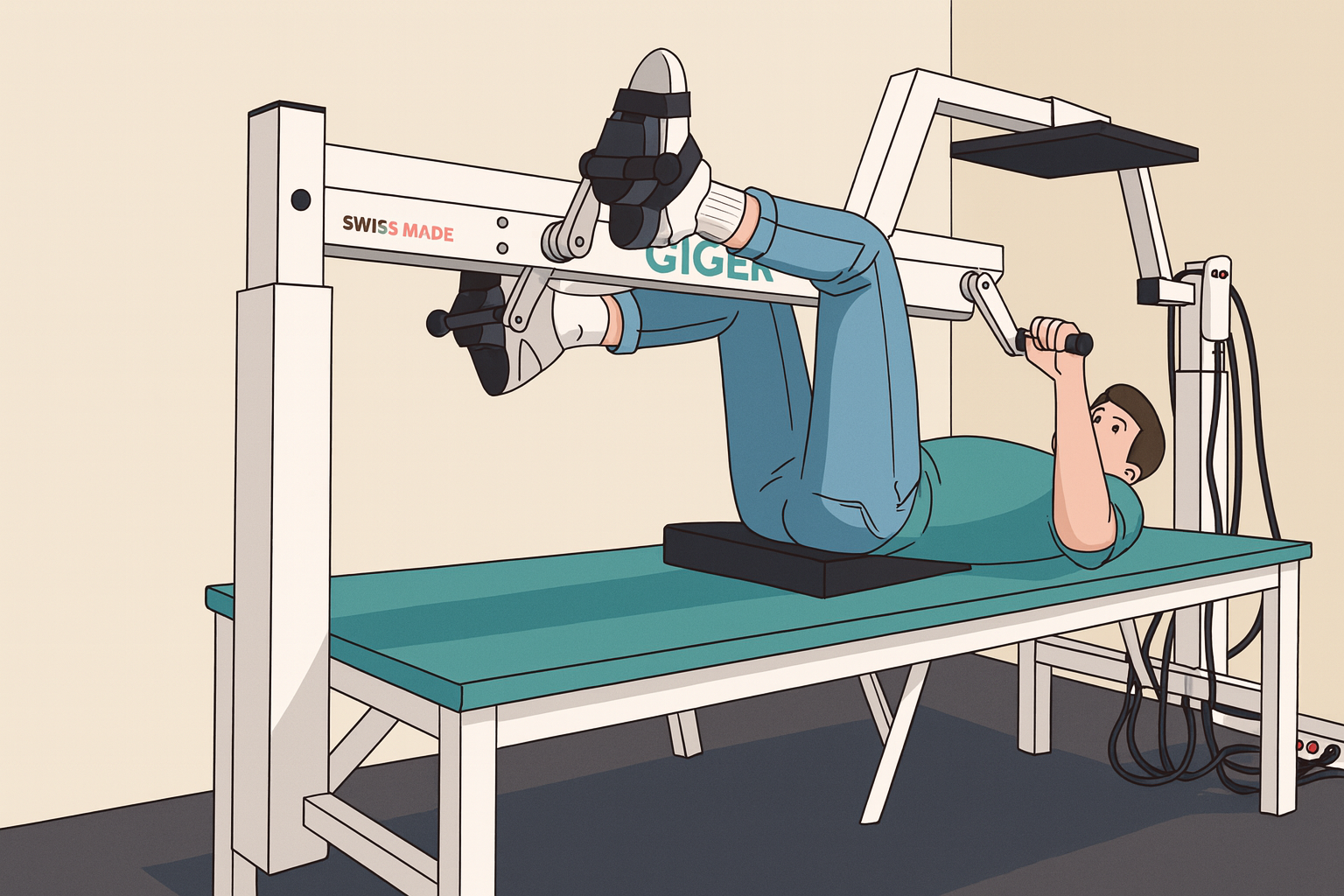
Giger MD® is a certified medical device that enables intensive neuromotor rehabilitation through rhythmic, cross-lateral movements of all four limbs (arms, legs, trunk) while lying down.
How does it work?
The child lies comfortably and performs coordinated pedaling movements with their hands and feet. The device ensures precise coordination to the millisecond between movements, creating rhythmic patterns impossible to reproduce manually.
This sensorimotor stimulation simultaneously activates:
The cerebellum (fine motor coordination, attention regulation)
The basal ganglia (dopamine circuits, impulse control)
The prefrontal cortex (executive functions, planning, inhibition)
The brainstem (arousal and sustained attention regulation)
Why is it effective for ADHD?
Children with ADHD often have associated developmental coordination disorder (DCD). Studies show that:
Coordinated rhythmic movements improve sensorimotor synchronization, which is deficient in ADHD
Repetition of precise motor patterns strengthens fronto-striatal networks involved in attention and impulse control
Physical exercise increases dopamine production, a neurotransmitter deficient in ADHD
Benefits appear 15 minutes after activity and persist for about 1 hour
📋 Specific Protocol
✓ Session duration: 20 minutes ✓ Frequency: Once per week ✓ Complete program: 9 sessions (9 weeks) ✓ Minimum age: 5 years (from 1.20m/4ft tall) ✓ Location: Activate® Center, Geneva or Lausanne ✓ Coverage: Covered by LAMal (Swiss mandatory health insurance)
Observed Results
From the first sessions (4-5 sessions), parents and teachers often notice:
✓ Better concentration in class
✓ Reduced motor restlessness and hyperactivity
✓ Improved impulse control
✓ Better coordination and movement precision
✓ Improved postural stability (can sit still longer)
✓ Reduced restlessness and nervousness
2️⃣ Neuro-Auditory Stimulation: Energizing Attention and Regulating Impulsivity
What is it?
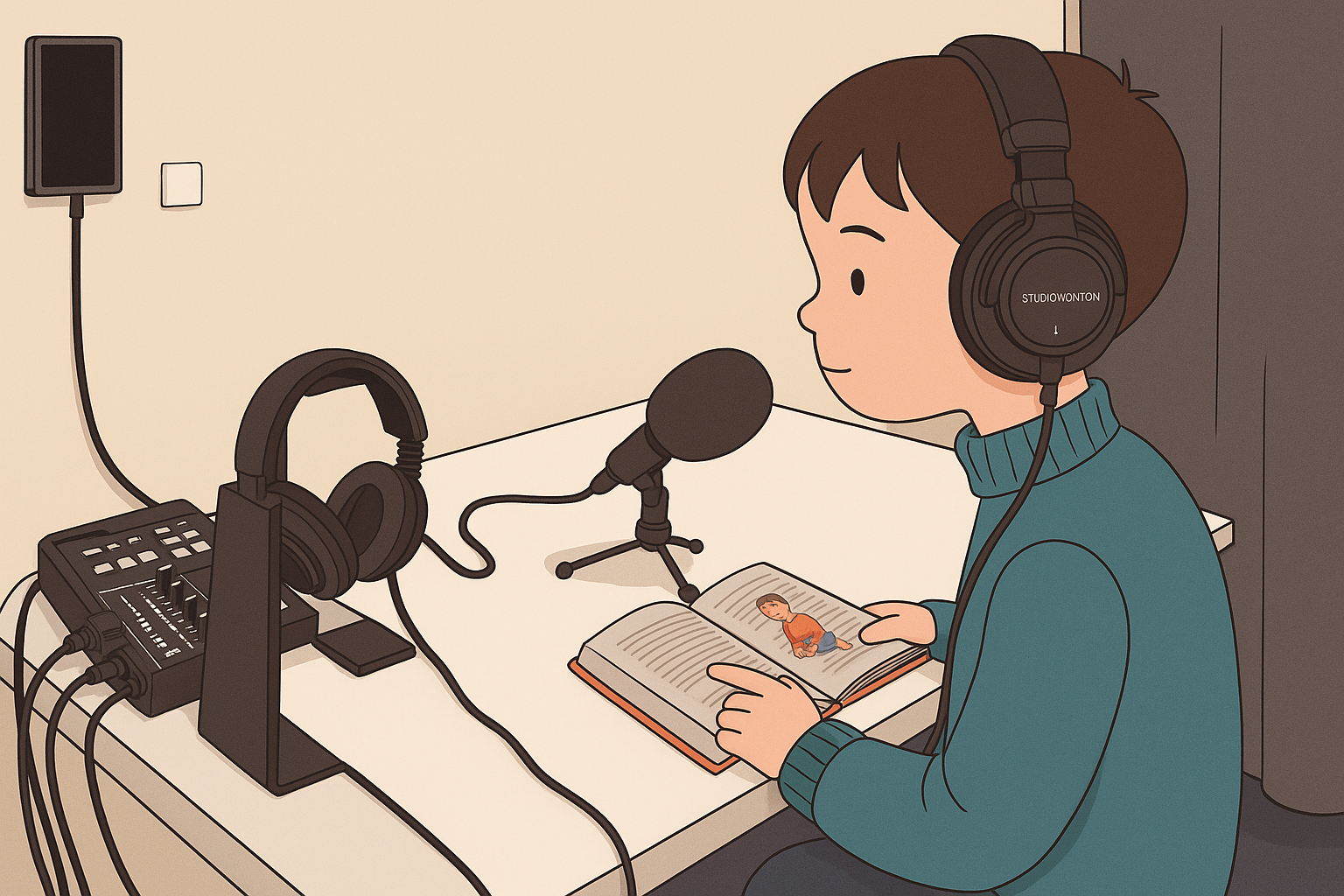
Neuro-auditory stimulation based on the work of Dr. A. Tomatis activates the brain through listening sessions with filtered music (primarily Mozart) and the mother's voice, in order to:
Strengthen the vestibular system (inner ear), considered the "seat of attention"
Improve auditory discrimination and the ability to filter out distractions
Stimulate attentional circuits and emotional regulation
Promote neural synchronization and dopamine production
Regulate the attachment system and oxytocin production
The Link Between the Ear and Attention
Dr. Tomatis's research demonstrated that the ear provides the most stimulation to the brain of any organ. The vestibular system (in the inner ear) controls not only balance and coordination but also plays a central role in attention and active listening. Children with ADHD often have central auditory processing difficulties, even with normal hearing.
How does it work?
Your child listens to specially processed music through a special headset that transmits sound via:
Air conduction (stimulation of the classical auditory system)
Bone conduction (vibrations transmitted directly to the brain through the skull bones, intensively stimulating the vestibular system)
The sounds are filtered to create unpredictable sound contrasts that keep the brain alert and develop change-detection mechanisms—exactly what is lacking in ADHD.
📋 Specific Protocol
✓ Phase 1: 13-day intensive session (1h20/day) at the center or at home ✓ Phase 2: 13-day session (1h20/day) after 4-week break ✓ Phase 3: 13-day session (1h20/day) after 8-week break ✓ Minimum age: 4 years ✓ Alternative: Home program available (1h/day with rented headset, but not covered by insurance) ✓ Coverage: Through supplemental insurance when done at the center (depending on your policy)
Observed Results for ADHD
Scientific studies and our clinical experience show:
✓ 67% improvement in information processing speed (Sacarin study, 2013)
✓ 53% improvement in phonological processing, outperforming the methylphenidate group
✓ Better sustained attention and concentration in class
✓ Reduced impulsivity (67% improvement in a study on children with ADHD)
✓ Decreased behavioral problems (opposition, aggression, frustration)
✓ Improved emotional regulation and stress management
✓ Better hyperactivity and restlessness control
Testimonial: "Our 9-year-old son had been on Ritalin for years. After the Tomatis® sessions, we were able to gradually reduce and then stop the medication with the doctor's approval. He is much calmer, more present, and processes things better. His teacher doesn't recognize him anymore!" – Parents of a child with ADHD, Geneva
3️⃣ Functional Medicine: Optimizing the Neurometabolic Foundation
The Link Between Nutrition and ADHD
Many children with ADHD have neurometabolic imbalances that worsen their symptoms:
Magnesium deficiency (present in 95% of children with ADHD according to some studies)
Iron and zinc deficiencies (involved in neurotransmitter synthesis)
Omega-3 fatty acid imbalance (essential for brain function)
Vitamin D deficiency (modulates serotonin synthesis)
Gut microbiome imbalances (disrupted gut-brain axis)
Blood sugar instability and sensitivity to food additives
Our Personalized Nutritional Approach
Based on an individualized assessment, we offer:
🔬 Essential Micronutrients:
• Magnesium (6 mg/kg/day): Regulates stress, hyperexcitability, and anxiety. Studies show significant symptom improvement after 8 weeks.
• Omega-3 (EPA/DHA): Improves attention, concentration, and behavior. Recommended dose: 1000-2500 mg/day for children depending on age.
• Zinc: Reduces hyperactivity and impulsivity. Particularly important in children with oppositional behaviors.
• Iron: Improves symptoms in children with low ferritin (even if not anemic).
• Vitamin D: Co-supplementation with magnesium shows improvement in behavioral function and mental health.
🦠 Microbiome Rebalancing:
• The gut microbiome influences ADHD through the gut-brain axis • Targeted probiotics to restore flora balance • Prebiotics (fiber) to nourish beneficial bacteria • Reduction of low-grade intestinal inflammation
🍽️ Dietary Optimization:
• Elimination of food additives (colorings, artificial flavors, preservatives) that worsen hyperactivity • Blood sugar stabilization (protein-rich breakfasts, reduced simple sugars) • Increased anti-inflammatory foods (fatty fish, vegetables, fruits) • Identification of individual food sensitivities
Observed Results
✓ Reduced restlessness and anxiety within the first few weeks
✓ Improved sleep quality
✓ Mood stabilization and emotional reactions
✓ Better frustration tolerance
✓ Increased mental energy and concentration
✓ Strengthened immune system (fewer illnesses)
How Does the Complete Program Work?
Here is the typical journey for a child starting our integrative ADHD program:
Step 1: Free Initial Consultation (30 min)
Assessment of your child's ADHD symptoms
Review of medical and school history
Discussion of goals and expectations
Detailed presentation of the personalized program
Step 2: Complete Assessment (if you decide to proceed)
Neuro-auditory listening assessment: Analysis of auditory and attentional capacities (30-45 min)
Sensory and behavioral evaluation: Sensory and psychometric profile
Nutritional assessment: Dietary questionnaire, possible blood tests (erythrocyte magnesium, ferritin, vitamin D, etc.)
Step 3: Program Launch (4-5 months)
Typical 5-month schedule:
Months 1-2: • Immediate start of nutritional supplementation • 9 Giger MD® sessions (1x/week for 9 weeks) • First intensive neuro-auditory stimulation session (13 days, 2h/day)
Month 3: • 4-week integration break • Continued nutritional supplementation • Phone follow-up to adjust dosages if needed
Months 3-4: • Second neuro-auditory stimulation session (13 days, 1h20/day) • Interim neuro-auditory assessment
Month 5: • Third neuro-auditory stimulation session (13 days, 1h20/day) • Final neuro-auditory assessment and follow-up recommendations
Step 4: Post-Program Follow-Up
Evaluation assessment 2 months after completion
Nutritional adjustments if necessary
Giger MD® or neuro-auditory stimulation booster sessions as needed (optional)
Parent Testimonials
"Julien, 9 years old, was hyperactive and constantly moving, with a lot of clumsiness. Now it's as if he's at peace with himself. He's much calmer, more present, and absorbs information better. It's changed life for our whole family, and also for his teacher who told us she doesn't recognize him! It's a real transformation. Our only regret: waiting so long to start the treatment..." — Julien's parents, Annecy
"We had started traditional treatment with a psychomotor therapist, psychologist, and developmental pediatrician. But my son's ADHD symptoms (impulsivity, opposition, restlessness) were still present. After joining the Activate® program, we're seeing major progress in all areas: concentration, independence, posture, and especially better emotional regulation." — Mother of a 9-year-old boy, Geneva
"Albane had severe ADHD. She couldn't stay still, her gaze wouldn't stay on the same target for more than 2 seconds, she threw herself onto the couch for self-stimulation. Now, after the neuro-auditory stimulation and Giger sessions, she can pedal, does 100-piece puzzles, concentrates, and is calmer. It's spectacular." — Albane's parents, neighboring France
Frequently Asked Questions (FAQ)
❓ At what age can we start?
Neuro-auditory stimulation: from age 4 Giger MD®: from age 5 (from 1.20m/4ft tall) Functional medicine: from diagnosis
Ideally, start as soon as ADHD is diagnosed, as the young brain has maximum plasticity.
❓ How long does the program last?
Total duration: 4 to 6 months on average for a complete program
• Giger MD®: 9 weeks (9 sessions) • Neuro-auditory stimulation: 3 intensive sessions (13 + 13 + 13 days) spread over 4 months • Functional medicine: throughout the program and beyond
❓ Does this replace methylphenidate (Ritalin)?
Our program does not automatically replace medication.
However, many physicians have been able to gradually reduce and then discontinue medication for patients who completed our program, based on results achieved.
Important: Any medication changes must be made in agreement with the prescribing physician. Our program can be followed alongside medication with no contraindications.
❓ Does my child need to stop their other therapies?
No, absolutely not. Our approach is complementary to psychological support, psychomotor therapy, or any other care your child is already receiving.
We work on the neurological and metabolic foundations (coordination, auditory processing, neurochemical regulation), while other therapies target specific aspects. The different approaches reinforce each other.
❓ Is there insurance coverage?
Yes: • Giger MD®: covered by LAMal (Swiss mandatory basic health insurance) • Neuro-auditory stimulation (audio-psycho-phonology): possible coverage through supplemental insurance when done at the center (depending on your policy) • Nutritional supplements: generally not covered
We recommend checking your coverage before starting the program.
❓ Can my child do the program at home?
Partially: • Neuro-auditory stimulation: ✅ Home option available (1h/day with rented headset, but not covered by insurance) • Functional medicine: ✅ At home (taking supplements) • Giger MD®: ❌ Requires coming to the center (1x/week)
Since the Giger MD® device is specialized medical equipment, sessions must be done at the Activate® Center. Audio-psycho-phonology is covered by supplemental insurance when sessions are done on-site.
❓ What results can we expect?
Results vary for each child, but our experience shows that: • Approximately 80% of children experience lasting improvement • Initial results often appear within 4-5 Giger MD® sessions and after the first intensive audio-psycho-phonology session • Improvements include: attention, hyperactivity, impulsivity, emotional regulation, coordination, self-confidence • Benefits are long-lasting (several years)
Important: Each child progresses at their own pace. Some experience dramatic improvements, others more gradual but equally significant progress.
❓ My child has severe ADHD—is this program suitable?
Yes, absolutely. Our approach is adapted to different ADHD severity levels. The more significant the symptoms, the more important early and comprehensive intervention becomes.
We regularly work with children who have severe ADHD, sometimes combined with oppositional or anxiety disorders, with excellent results. The only situation where we cannot intervene is if the child or adolescent has an unregulated conduct disorder.
❓ What happens if my child cannot come every week for Giger MD®?
We understand family constraints. Regularity is important for optimal results, but we can adjust the schedule if needed (e.g., 2 sessions some weeks to compensate).
Contact us to discuss your specific situation and find the best solution.
Comparison Table: Our Program vs. Other Approaches
| Approach | Target | Duration | Coverage | |
| Methylphenidate alone | Chemical symptoms | Ongoing (years) | ✅ Yes (LAMal) | |
| Psychomotor therapy | Coordination, regulation | 1-2+ years | ⚠️ Partial | |
| Psychotherapy | Emotions, behavior | Variable | ✅ Yes (LAMal) | |
| ⭐ Our Activate® program | Neuromotor + Auditory + Metabolic | 4-5 months | ✅ Yes (LAMal + Suppl.) | |
✓ Advantage of our approach: By acting simultaneously on motor, auditory, and metabolic systems, we create a therapeutic synergy that optimizes the chances of improvement and reduces the time needed to achieve significant, lasting results.
Practical Information
📍 Activate® Center
Geneva address: rue de la Pélisserie 18, 1st floor, 1204 Geneva
Lausanne address: avenue Alexandre Vinet 25, 2nd floor, 1004 Lausanne
Hours: Monday to Friday, by appointment only
Contact: Monday to Friday, 8:30 AM to 6:30 PM
Service area: Geneva, neighboring France, Lausanne and surrounding areas.
Ready to help your child find calm and concentration?
Over 80% of our young patients regain a better quality of life. Could your child be next?
✓ No obligation ✓ 30 minutes with a qualified therapist ✓ Personalized assessment of your child's needs
Or call us directly Monday to Friday, 8:30 AM to 6:30 PM at +41 22 577 55 50
Scientific References:
Schalow G. "Scientific basis of the GIGER MD medical device", Combo Ltd., 2021
"Psychomotricity and ADHD: evaluation of a rehabilitation program based on rhythmic situations", Elsevier, 2019
Sacarin L. "Effects of Tomatis Method on children with ADHD", Antioch University Seattle, 2013
"Physical activity alleviates ADHD symptoms", Le Devoir, 2024
"ADHD in children: micronutrition treatment", Vitanutrics, 2024
Montgomery P. et al. "Efficacy of omega-3s in ADHD treatment", Pediatrics
Mousain-Bosc M. et al. "Magnesium and vitamin B6 in ADHD treatment", Magnesium Research, 1997
Patrick RP, Ames BN. "Vitamin D and omega-3 fatty acids control serotonin synthesis", FASEB J., 2015