Tinnitus: Science Finally Validates the Multimodal Approach We've Been Practicing for Years
The new 2025 medical guidelines on tinnitus mark a historic turning point: they validate the multimodal, personalized, and neurophysiological approach we've been practicing at Centre Activate since our beginnings. Discover how science is finally catching up with our pioneering vision for treating chronic tinnitus.
When the new 2025 medical guidelines confirm our pioneering vision of tinnitus treatment
Tinnitus affects approximately 500,000 people in Switzerland, including 80,000 severely. For years, these permanent ringing, buzzing, or whooshing sounds were considered an unavoidable condition that people simply had to "learn to live with." But things are changing.
A recent article published in Universimed, drawing on the new German AWMF guidelines (equivalent to Swiss medical recommendations), confirms what we've been applying at Centre Activate for several years: treating tinnitus requires a tailored approach, combining multiple disciplines to achieve lasting results.
Discover our comprehensive tinnitus treatment program
What's changing in 2025: official medicine joins clinical practice
When science catches up with clinical experience
The new 2025 medical guidelines mark a turning point. They now recognize that:
Every case is unique - and therefore deserves a tailored protocol, not a one-size-fits-all solution
Neurostimulation delivers results - something our protocols demonstrate daily
Psychological support is not optional - nervous system management is an integral part of treatment
"Personalized and multimodal therapeutic approaches are essential: due to the diversity of tinnitus symptoms and causes, personalized treatment involving different disciplines is indispensable." — AWMF Guidelines 2025
This statement could have been written to describe what we've been doing from day one.
Understanding tinnitus: why every case is different
What is tinnitus?
Tinnitus is hearing sounds that don't exist in your environment. Ringing, buzzing, whooshing... Only you can perceive them. This reality can be unsettling, and many patients feel misunderstood.
Why all tinnitus is not the same
Medicine now distinguishes several forms based on duration and impact on daily life.
By duration:
Acute (less than 3 months): often following a loud concert or ear infection
Chronic (more than 3 months): established over time and significantly disrupting daily life
By impact:
Bothersome but manageable: you hear them, but you can still sleep and concentrate
Truly debilitating: they prevent you from sleeping, working, or enjoying quiet moments
This distinction isn't just about labeling. It guides our approach from your very first appointment.
Tinnitus? Book your free consultation with our advisor
Our Activate approach: pioneers of multimodality
What we've practiced from the beginning
At Centre Activate, we've never believed that a single technique could solve a problem as complex as tinnitus. Our protocol combines four complementary approaches:
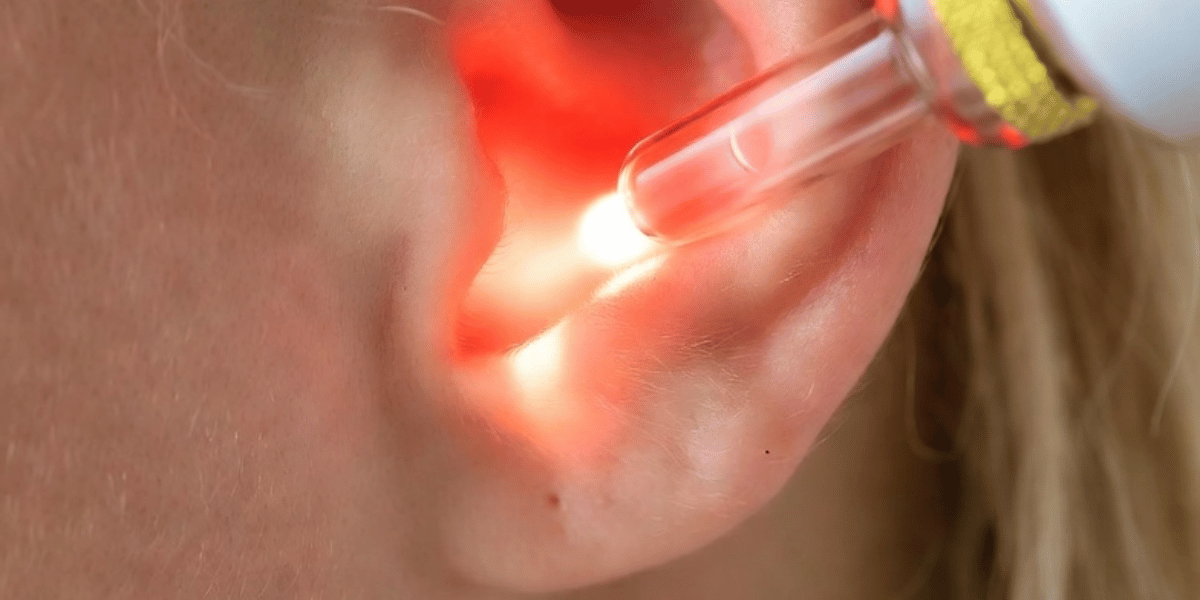
- Low-Level Laser Therapy (LLLT) In simple terms: Tinnitus often involves chronic inflammation in the inner ear, somewhat like a fire that constantly smolders. Added to this is oxidative stress (cells deteriorate faster than they can repair) and overstimulation of auditory pathways. The system is in overdrive.
Laser phototherapy uses specific light beams (red, infrared) applied in the ear and at the blood level. Don't worry: it's completely painless—you won't feel anything.
What it actually does: The light penetrates tissues and restarts cellular energy, somewhat like recharging flat batteries. It reduces inflammation by blocking certain toxic molecules, improves blood circulation, and helps the immune system regain balance.
Why it's validated now: The 2025 guidelines emphasize the importance of treating inflammation and underlying mechanisms. Our LLLT protocol, supported by scientific publications, targets precisely these processes.
- Vagus Nerve Stimulation (RRP and tVNS) In simple terms: The vagus nerve is the highway connecting your brain to the rest of your body. It manages everything related to relaxation, recovery, and sleep. When you're relaxed, it's working.
Many people suffering from chronic tinnitus have an unbalanced nervous system: too much stress, not enough recovery, a permanent state of alertness. Vagal stimulation helps reset the system.
We have two approaches depending on your profile:
Option 1: The Rest and Restore Protocol (RRP)
Developed by Dr. Stephen Porges (a renowned neuroscientist) and Anthony Gorry, this protocol uses specially modified music to gently stimulate your vagus nerve.
You simply listen to this music, and the precise acoustic signals it contains do their work: they increase your vagal tone. The result? You manage stress better, recover more effectively, and your brain is less on alert to tinnitus.
This is our first option because the changes it creates are long-lasting.
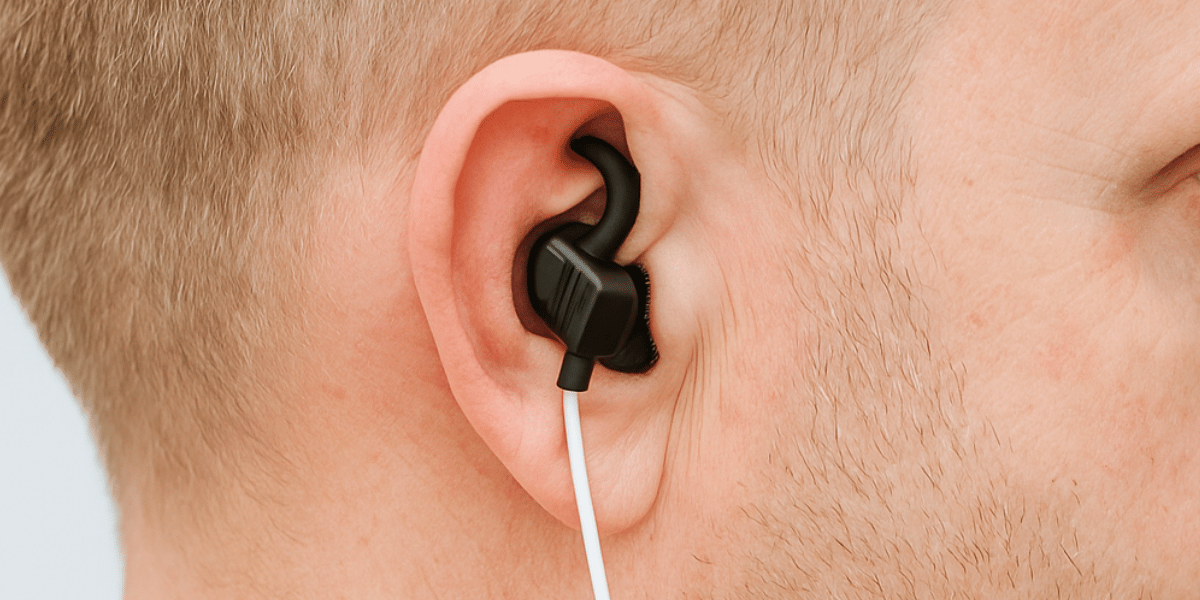
Option 2: Transcutaneous Vagus Nerve Stimulation (tVNS)
For highly stressed individuals or those who cannot tolerate listening to music (hyperacusis), we use tVNS. This involves gentle electrical stimulation applied to the outer ear.
The effects are immediate: heart rate slows, muscles relax, you feel calm returning. This method acts on your neurotransmitters (the brain's chemical messengers) to promote relaxation.
Why it's recognized now: The 2025 guidelines emphasize the importance of addressing anxiety and stress. Our vagal approach directly targets these mechanisms, with solid scientific foundations.
- Targeted Micronutrition In simple terms: Your body is a complex machine. For the nervous system, inner ear, and brain to function properly, they need specific nutrients in the right amounts.
When certain elements are missing or imbalanced, tinnitus can worsen. Inflammation persists, oxidative stress continues, neurons remain overexcited. Conversely, the right supplements can truly help.
What we use depending on your profile:
Curcumin: a powerful anti-inflammatory that acts on chronic ear inflammation
Magnesium: essential for calming the nervous system and preventing neuronal overexcitation
Glycine: an amino acid that helps moderate nerve signals
Taurine: acts on GABA receptors (the brain's natural "brakes") to reduce anxiety
Others as needed identified during your assessment
Our approach: We don't give everything to everyone. Based on your assessment, analyses, and what we discover about you, we select what will truly enhance the other protocols.
Why it's validated now: The 2025 guidelines recognize the need to treat the underlying condition, not just the symptom. That's exactly what we do with micronutrition.

- Orofacial and Maxillofacial Physiotherapy (MFP) In simple terms: Sometimes tinnitus also comes from physical tension. Your jaw is clenched, your neck is stiff, the Eustachian tube (the small canal connecting the ear to the nose) is compressed. All of this can worsen or even create tinnitus.
Specialized physiotherapy uses precise massage techniques to release these tensions and improve blood circulation in the ear region.
What it provides: Massage dilates blood vessels, bringing more oxygen and nutrients to the inner ear. It also helps eliminate metabolic waste more quickly.
But there's another equally important effect: massage activates your parasympathetic nervous system (the one responsible for rest and recovery). Your heart rate slows, muscles relax, digestion improves. And your brain releases endorphins, those hormones that provide natural well-being and reduce pain.
This is particularly helpful if you:
Clench your teeth at night or during the day
Have neck or shoulder pain
Feel your ears are blocked or under pressure
Notice your tinnitus changes when you move your head or jaw
Why it's validated now: The 2025 guidelines emphasize the multidisciplinary approach. Adding physiotherapy to our other protocols is exactly this comprehensive vision they recommend.
Tinnitus? Book your free consultation with our advisor
What science confirms in 2025
Points of convergence with our approach
The Universimed article and new guidelines validate several pillars of our method:
1. The multidisciplinary approach IS the solution
"Personalized and multimodal therapeutic approaches are essential: due to the diversity of tinnitus symptoms and causes, personalized treatment involving different disciplines is indispensable." — AWMF Guidelines 2025 cited by Universimed
"In advanced or persistent cases, particularly when there is a significant impact on daily life, a multidisciplinary approach is often necessary. This may involve a combination of medical treatments, psychological support, and lifestyle adjustments." — Universimed 2025
At Activate: Every patient benefits from a comprehensive assessment (auditory, neurophysiological, physical tensions, inflammatory profile) before starting a customized program combining LLLT, vagal stimulation, micronutrition, and physiotherapy as needed.
2. Laser phototherapy and neurostimulation are validated
"Promising new therapeutic approaches are being studied, including neurostimulation methods and pharmacological treatments. Neurostimulation methods, such as transcranial magnetic stimulation (TMS) or transcranial direct current stimulation (tDCS), aim to modulate neuronal activity in the brain and thus reduce tinnitus perception." — Universimed 2025
"Innovative approaches such as neurostimulation and personalized treatments offer promising solutions for tinnitus management in the future." — Key points, Universimed 2025
At Activate: Our LLLT protocol already works at the cellular and neuronal level to reduce inflammation and hyperactivation. Our vagal stimulation (RRP and tVNS) directly modulates the nervous system with measurable results.
3. Sound therapy and nervous system regulation are essential
"Sound therapy (...) offers relief" and "Auditory rehabilitation through a hearing aid or cochlear implant has a positive effect on noise perception in tinnitus associated with hearing loss." — Universimed 2025
"Mindfulness-based stress reduction (MBSR) has proven useful, as it changes the emotional response to tinnitus." — Universimed 2025
At Activate: Our Rest and Restore Protocol (RRP) goes beyond simple sound masking. It uses precise acoustic signals to retrain the autonomic nervous system and increase vagal tone, creating lasting changes in how your brain processes auditory information. It's the modern equivalent of "neurophysiological mindfulness."
4. Psychological factors and stress are central
"Tinnitus is often worsened by anxiety, depression, and stress, so it is crucial to address and treat these mental health factors." — Universimed 2025
"Tinnitus counseling and psychological support are essential. Thorough patient education and exchanges within support groups help them better manage their symptoms and improve their quality of life." — Key points, Universimed 2025
"The importance of psychological support in treatment is addressed during tinnitus counseling. (...) It helps reduce the loss of control and strengthen the ability to manage tinnitus perception." — Universimed 2025
At Activate: Our approach naturally integrates the psycho-emotional dimension. Vagus nerve stimulation (via RRP or tVNS) helps regulate the autonomic nervous system (which manages stress and anxiety), creating a virtuous cycle. The more relaxed you are, the less intrusive tinnitus feels. We also provide comprehensive information and support throughout the program.
5. Personalization is essential
"Treatment of chronic tinnitus requires a personalized approach, as perception and the associated burden vary from person to person." — Universimed 2025
"Treatment tailored to patients' specific needs is essential to improve quality of life." — Universimed 2025
The guidelines emphasize that every case is unique and requires a tailored approach.
Why this convergence now?
Research has caught up with clinical experience
For years, certain approaches worked in practice but struggled to gain official recognition due to a lack of large-scale studies. The situation is changing rapidly.
Neuroscience has made enormous progress in understanding the central role of the brain and nervous system in generating and maintaining tinnitus. We now know that:
Tinnitus isn't just an ear problem, but a disorder of information processing by the central and autonomic nervous system
The brain can be "retrained" through targeted interventions on inflammation, vagal regulation, and biochemical balance
The multifactorial approach (combining LLLT, vagal stimulation, micronutrition) is more effective than a single approach
This is exactly what we've been applying from the beginning at Centre Activate.
Book your free consultation with our advisor now
Our difference: integration rather than juxtaposition
Why "multimodal" isn't enough
Many centers can claim to offer multiple approaches. The real difference is integration.
- Simply offer "a bit of everything"
- Juxtapose therapies without synergy
- Apply standardized protocols
- Create synergy between the four approaches (LLLT, vagal stimulation, micronutrition, physiotherapy)
- Adapt the program in real-time according to your progress and tolerance
- Objectively measure improvements (hearing tests, validated questionnaires, symptom tracking)
- Maintain close follow-up throughout the program with adjustments as needed
What our patients actually experience
We observe significant improvements in a large majority of our patients. But beyond the numbers, what matters is what you experience daily:
Perceived intensity decreases: the tinnitus is still there at first, but gradually becomes less loud, less present
Sleep returns: this is often the first change people notice, and it's huge for quality of life
Emotional impact lightens: less anxiety, mood improves, you regain control
Life becomes possible again: you can concentrate again, enjoy silence, make plans
Why consult now?
Timing matters
The 2025 guidelines state it clearly: the earlier we intervene, the better the results. Recent tinnitus (less than 3 months) generally responds better than tinnitus that's been present for years.
Why? Because the nervous system "learns" tinnitus. The longer this learning continues, the more time it takes to undo. But even after years, our approach delivers results.
If your tinnitus is less than 6 months old, now is the ideal time. But don't be discouraged if it's been longer: we also achieve significant improvements in long-standing cases.
Scientific validation
Our approach is based on published clinical studies and a solid scientific foundation:
Studies on the efficacy of LLLT in auditory disorders
Research on vagal stimulation and autonomic nervous system regulation
Publications on micronutrition and tinnitus
This scientific validation is significant: it attests to the credibility and effectiveness of our methods. A complete list of scientific references is available upon request.
Who is this for?
Our approach is particularly suitable if:
Your chronic tinnitus (more than 3 months) is truly affecting your life
You've already tried other things without lasting success
You're looking for a solution that doesn't involve medication
You want to understand what's happening and be an active participant in your recovery
You're ready to invest time (2 weeks) for lasting results
In practice: your journey at Activate
1. The comprehensive initial assessment (first consultation)
We take the time needed to:
Understand your history and how your tinnitus has evolved
Evaluate your auditory system (audiometry, specific tests)
Analyze your autonomic nervous system (stress, sleep, recovery)
Identify aggravating factors (inflammation, deficiencies, physical tensions)
Duration: approximately 1 hour Objective: establish a precise diagnosis and personalized program
2. The personalized program (2 to 4 weeks)
Depending on your situation, your program will combine:
Laser phototherapy sessions (LLLT): regular applications in the ear canal and at blood level
Vagal stimulation program: RRP (daily listening) or tVNS (gentle electrostimulation sessions)
Orofacial and maxillofacial physiotherapy (MFP): if cervical, mandibular, or Eustachian tube tensions are identified
Personalized nutritional supplements: daily intake of nutrients selected for you
Follow-up and adjustments: regular evaluation and protocol adaptation based on your response
Typical duration: 2 intensive weeks Frequency: adapted to your schedule and the necessary intensity
3. Follow-up and consolidation
Because results must last, we ensure:
Regular evaluations during the program
Post-program follow-up to consolidate gains
Lifestyle advice to maintain results
The importance of good timing
Don't let tinnitus become established
Research shows that the earlier tinnitus is treated, the higher the chances of complete resolution. The nervous system "learns" tinnitus, and the longer this learning continues, the harder (but not impossible) it is to undo.
If you've been suffering from tinnitus for less than 6 months, it's the ideal time to intervene. But even after years, our approach can bring significant improvements.
Why we are pioneers
At Centre Activate, we didn't wait for the 2025 guidelines to understand that tinnitus requires a comprehensive, personalized, and neurophysiological approach.
Today, official science validates what our clinical experience has demonstrated for years:
✓ The multimodal approach beats single solutions ✓ Laser phototherapy and neurostimulation truly work ✓ Autonomic nervous system regulation is at the heart of treatment ✓ Every case is unique and deserves a tailored protocol ✓ The physiological foundation matters as much as the symptom ✓ Addressing inflammation and oxidative stress delivers results
Discover our comprehensive tinnitus treatment program
Conclusion: we don't follow trends, we anticipate them
The new 2025 medical guidelines on tinnitus mark a turning point: they finally align with the approach we've been practicing at Centre Activate from the beginning.
"Treatment of chronic tinnitus requires a personalized approach (...) Proven methods such as CBT and sound therapy are at the core of treatment (...) Additionally, participation in a support group for people with tinnitus can be very helpful. (...) Realistic expectations and active patient participation are decisive for therapeutic success." — Conclusion, Universimed 2025
Recognition of personalized, multimodal, and neurophysiological approaches is no longer a cutting-edge vision. It has become the official medical standard.
If you suffer from chronic tinnitus and are looking for an approach that is:
Scientifically validated (and now officially recognized)
Adapted to your unique situation
Medication-free, focused on rehabilitation
Comprehensive and coherent
Effective in the long term
Centre Activate offers exactly that. With the experience of hundreds of patients supported and measurable results.
Don't stay alone with your tinnitus. Science is progressing, and we are at the forefront.
To learn more
Book an initial assessment: 📞 +41 22 577 55 50 📧 Send us an email
Our centers: 📍 Geneva: rue de la Pélisserie 18 📍 Lausanne: avenue Vinet 25
Additional resources:
- Universimed scientific article on tinnitus (2025): https://www.universimed.com/ch/article/gesundheitspolitik/acouphenes-510254
FAQ: Frequently Asked Questions
How long does treatment last? Typically 2 intensive weeks, depending on the severity and duration of tinnitus. Every case is unique.
Is it covered by insurance? Our tinnitus program is covered by Swiss basic health insurance (LAMal/KVG) with a referral from your ENT specialist or general practitioner. Note: For international patients, coverage depends on your insurance provider. Dietary supplements and nutritional counseling are not covered.
Do I need a medical prescription? A prescription for physiotherapy sessions is necessary if you want to obtain treatment reimbursement.
Does it work for all types of tinnitus? Our approach delivers excellent results for chronic tinnitus of neurophysiological origin (the majority of cases). The initial assessment allows us to determine if your situation can benefit from our program.
Can I continue my other treatments in parallel? Absolutely. Our approach is complementary and does not replace standard medical follow-ups (ENT, etc.). We work in collaboration with your other healthcare providers.
Are there any side effects? Our methods are non-invasive and without side effects. Some patients may experience temporary fatigue in the first few days (a sign that the nervous system is adapting), which quickly subsides. People whose tinnitus increases when exercising may notice the same phenomenon during LLLT phototherapy application; this is also temporary.
Important note: The program offered at Centre Activate is a wellness program and not intended for medical purposes. It does not eliminate sensory hearing disorders but addresses their probable causes, including hyperactivation of auditory areas and autonomic nervous system imbalances. We have an obligation of means, not results. Our approach is complementary to traditional medical follow-ups.