The Gut-Brain Axis and Neurodevelopmental Disorders
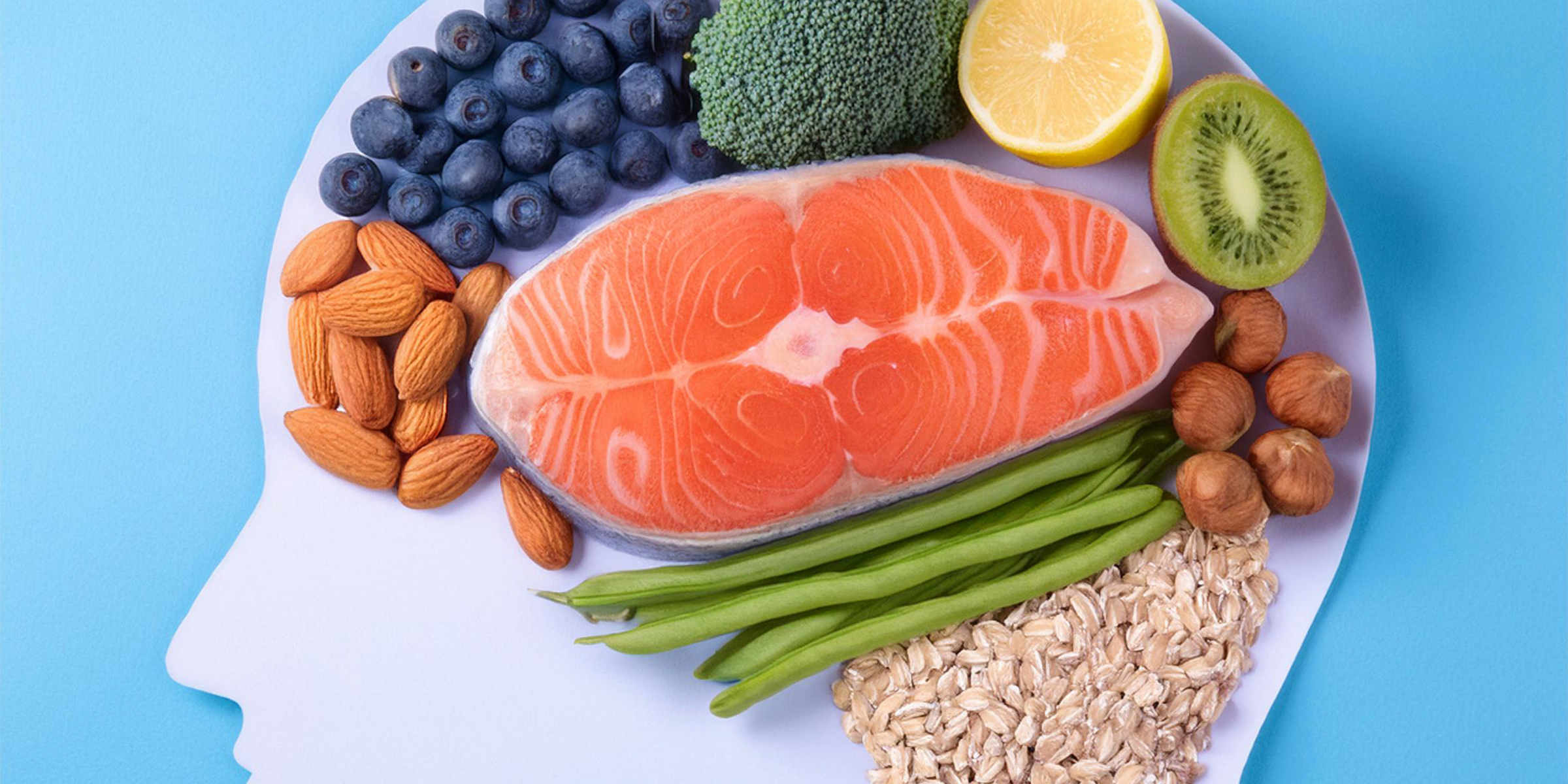
Neurodevelopmental disorders don't only involve the brain. Research shows that the gut microbiome influences inflammation and neuronal maturation, and therefore attention and concentration abilities. At the Activate center in Geneva, we complement our neurological rehabilitation programs with a functional approach aimed at restoring microbiome balance.
When we think of neurodevelopmental disorders—difficulties with attention, language, learning, or social interaction—we instinctively think of "brain abnormalities." Indeed, we now commonly use the term "neurodivergence." But recent research invites us to shift perspective: what if part of the story unfolds in the gut?
The Gut as a Second Brain
The gut harbors a thriving microbiome, a true ecosystem of billions of bacteria. These microbes do more than just aid digestion: they produce bioactive molecules—short-chain fatty acids, neurotransmitters, vitamins—that communicate with the brain via the bloodstream and the vagus nerve.
Dysbiosis and Systemic Inflammation
When balanced, the microbiome regulates immunity and supports the body's tolerance. But an imbalance (dysbiosis) weakens the intestinal barrier, allowing pro-inflammatory molecules to pass through. This flow fuels silent inflammation, often observed in NDDs, where abnormal activation of the brain's immune cells (microglia) is found.
Impact on Brain Maturation
This chronic inflammation interferes with brain plasticity and the maturation of neural networks. Yet the critical period of child development depends on a delicate orchestration between immunity, cellular energy, and neurotransmitters. Microbiome alterations can thus disrupt the availability of dopamine, serotonin, or butyrate—molecules essential for attention, language, and emotional regulation.
Inflammation → microglial activation → neural disorganization.
Disorganization → NDD symptoms (attention, language, social skills).
New Therapeutic Perspectives
These discoveries don't erase the complexity of NDDs, but they open a complementary pathway: microbiome modulation through nutrition, probiotics, and gentle anti-inflammatory interventions. An approach that aligns with the functional medicine vision: addressing not only symptoms but the biological ecosystem that sustains them.
Neurodevelopmental disorders don't originate solely in the brain: they result from an ongoing dialogue between the gut, immune system, and nervous system. By integrating this dimension, functional medicine offers new tools to support children and foster their overall development.
At Activate Center: An Integrative Approach Supporting Neurodivergent Children
At the Activate center in Geneva, we integrate the gut–immunity–brain perspective into the care of children with neurodevelopmental disorders. This functional approach (microbiome, silent inflammation, cellular energy) aims to optimize the outcomes of our neurological rehabilitation programs (attention, language, emotional regulation) by addressing both brain circuits and the biological foundation that influences them.
For more information, you can book an appointment with our advisor Julien Frère for a personalized assessment.