

ADHD: A Spice to Feel Better
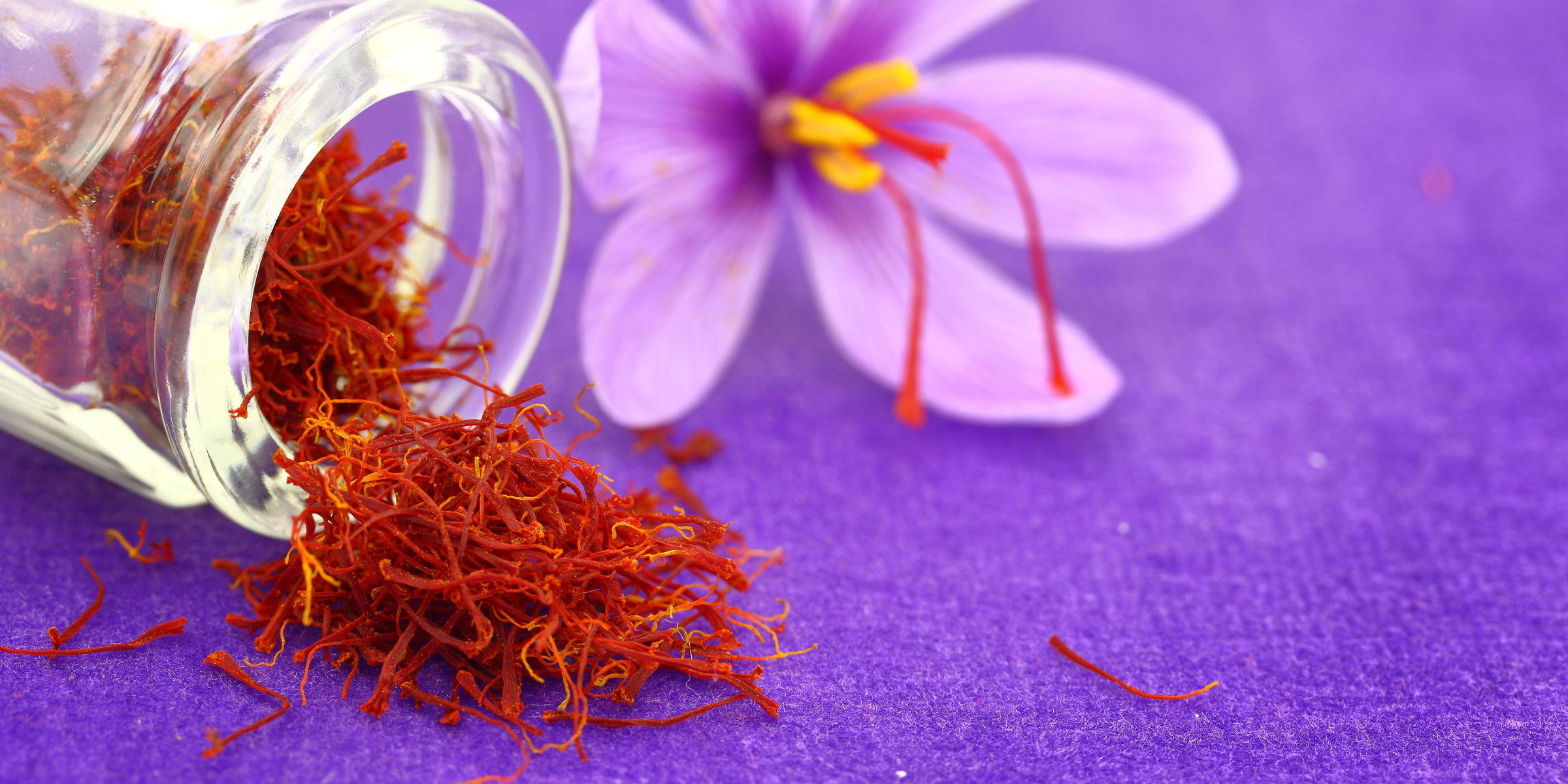
In the fight against ADHD symptoms, saffron delivers results comparable to methylphenidate while offering a favorable safety profile. Studies show similar effectiveness, improved sleep, and fewer side effects. Its antioxidant and neuroprotective properties open a promising natural pathway, complementing our rehabilitation programs.
Saffron for ADHD: Does It Work?
Reading time: 7–8 minutes
Link to the original article in English (contains many advertisements): https://www.healthline.com/health/adhd/saffron-for-adhd
Saffron is much more than a culinary spice. Used in traditional medicine for centuries, research suggests it may have modern applications in treating Attention Deficit Hyperactivity Disorder (ADHD).
ADHD is one of the most common neurodevelopmental disorders in children. It is characterized by symptoms of hyperactivity, inattention, and impulsivity that can affect interpersonal relationships and daily functioning.
Many people diagnosed with ADHD, including adults, benefit from medications that help reduce symptoms and improve concentration. A growing body of research suggests that some of these benefits may also be achieved through the use of the natural spice, saffron.
Potential Supported by Clinical Studies
To date, no large-scale study has demonstrated that saffron can effectively reduce ADHD symptoms. However, this does not mean saffron is ineffective. Several small-scale studies indicate that saffron shows potential, whether as a standalone therapy or as a complement to enhance the effects of standard ADHD medications such as methylphenidate.
Methylphenidate, known under brand names like Ritalin and Concerta, is one of the most commonly prescribed medications for treating ADHD. It belongs to the class of central nervous system stimulants, which work by regulating brain chemicals thought to be responsible for ADHD symptoms.
In 2019, a landmark pilot study brought saffron into the spotlight within the ADHD community. Researchers found that 20 to 30 mg of saffron daily for 6 weeks was comparable to methylphenidate treatment for symptoms of inattention and hyperactivity.
Since then, further research has supported saffron's benefits for ADHD. A 2022 study found that saffron was more effective than methylphenidate in reducing ADHD hyperactivity symptoms, although methylphenidate was more effective for inattention symptoms. Both therapies improved participants' sleep duration—a common challenge in ADHD—but only saffron helped with falling asleep more easily.
When used in combination with methylphenidate in a 2021 clinical trial, saffron proved more effective than methylphenidate alone. These findings were confirmed by a 2022 clinical trial, which also concluded that the combination of saffron and methylphenidate was superior.
Despite these promising results, larger-scale research on saffron for ADHD is needed. All current studies have involved groups of fewer than 100 participants.
How Does Saffron Work?
The precise mechanisms explaining why saffron might work for ADHD are not clear, but they may be related to neurotransmitters associated with ADHD and the spice's neuroprotective properties. Imbalances in certain neurotransmitters play an important role in ADHD, which is why stimulant medications are effective. Saffron may act as a therapeutic agent by stimulating brain chemicals such as glutamate and dopamine, similar to methylphenidate.
How saffron protects neurological function may also play a role. A 2022 review explains that saffron has consistently demonstrated protective effects against neurological disorders. Many of these benefits come from the spice's anti-inflammatory and antioxidant properties, which help combat oxidative stress and inflammation.
Oxidative stress is a state of imbalance in the body where highly reactive molecules called "free radicals" overwhelm antioxidants that help regulate them. Oxidative stress causes damage at the cellular level and can contribute to many disease processes. According to a 2018 review, using antioxidants like saffron for ADHD treatment could protect against damage to neurons involved in neurodevelopmental disorders.
Dosage and Available Forms
As an experimental therapy, there is no universal dosage for saffron in ADHD. Recommendations for dietary supplements vary by manufacturer and can reach up to 100 mg per day orally. The landmark 2019 study found that 20 to 30 mg daily in children aged 6 to 17 was effective for inattention and hyperactivity symptoms within 3 weeks. The 2022 clinical trial combining saffron with methylphenidate used 15 mg of saffron twice daily for 6 weeks.
Saffron can be purchased in powder form, capsules, or as threads—the dried stigmas of the Crocus sativus flower.
Side Effects and Precautions
When taken at recommended doses, saffron appears to have a high safety margin, although more human research is needed. Reported side effects with saffron use include:
Vomiting
Vertigo
Dizziness
Loss of appetite
Headaches
Blood in urine
Nausea
Allergic reaction
Saffron should be used with caution in pregnant women, as it may cause uterine stimulation. It is best to consult a healthcare professional before taking saffron for ADHD.
Conclusion
Saffron for ADHD is an emerging area of research, but the evidence is promising. Saffron may help stimulate brain chemicals involved in ADHD, and its anti-inflammatory and antioxidant properties could help protect neurological function.
Since limited information is available on appropriate saffron dosing specifically for ADHD treatment, consulting a physician can help develop a safe treatment plan for incorporating this spice.
Note from Our Functional Medicine Specialist
Commentary on the original article above.
Side Effects of Saffron (in Overdose)
Studies administering up to 100 mg/day of saffron (orally) have not reported serious effects, but side effects increase beyond the 30 mg/day dose in some sensitive individuals.
Reported Effects in Case of Overdose:
Headaches
Nausea
Vertigo, dizziness
Loss of appetite
Agitation or drowsiness
Vomiting
Blood in urine (rare cases, not systematically confirmed)
Allergic reactions (rare)
Risk of uterine stimulation (contraindicated during pregnancy)
These effects are temporary, reversible upon discontinuation, and generally mild if the dose is reasonably exceeded. No addictive, cardiovascular, or psychiatric effects have been reported to date with saffron.
Side Effects of Methylphenidate (at Normal Doses)
Methylphenidate (Ritalin, Concerta) is effective but has a well-documented side effect profile, even at therapeutic doses.
Common Effects:
Loss of appetite, weight loss
Sleep disturbances (difficulty falling asleep, insomnia)
Headaches
Nervousness, anxiety, irritability
Abdominal pain, nausea
Rapid heartbeat, increased blood pressure
Rebound effects at end of day (irritability, agitation)
Less Common but Serious Effects:
Motor or vocal tics
Psychiatric disturbances (suicidal thoughts, hallucinations, manic episodes)
Cardiovascular issues (severe hypertension, arrhythmias)
Dependence or misuse (especially in adolescents and adults)
These effects may require discontinuation of treatment or close medical monitoring.
Our Perspective
Saffron, even in cases of slight overdose, presents a significantly more favorable and gentler safety profile than methylphenidate at normal doses. This does not mean it is superior in effectiveness, but it could represent an interesting alternative or complement for families concerned about limiting side effects. Its use, like that of any active agent, should nevertheless be medically supervised.